Foundation repair
When a slab or footing cracks, we find out whether the soil, water or the original build caused it before we repair anything, so the fix deals with the cause.
Superior Yucaipa Concrete and Masonry is a masonry contractor based in Yucaipa that works in Colton, CA, repairing brick and block, pointing worn mortar and building walls, walkways and hardscape that get planned before anyone digs.
We're a masonry contractor based in Yucaipa, and we come over to Colton for the same calls we get in Mentone and Grand Terrace, like worn mortar, cracked block walls, leaning retaining walls and yard projects people want planned right. What moves the price is the size of the job, the material you want matched or used, how much old work has to come out and how easy the spot is to reach. The schedule usually turns on whether the city needs a permit and when its inspections fall. Your written estimate spells out the work and the materials, so you can see what's behind your number.
Earthquake shaking is a real concern in Colton because the San Jacinto fault zone runs right through the city, and the ground along both banks of the Santa Ana River and around Reche Canyon is mapped as prone to liquefaction, where wet soil can act like a liquid when it shakes. Brick and block don't flex. So on a cracked wall I want to know what the soil underneath is doing before we fix anything, and on a new wall we plan the footing and the steel inside the block around that ground first.
When a wall, chimney or foundation has cracked, I look for why before we price the repair, because on ground that moves, a fix that skips the cause just cracks again.
We're best known for brick and block repairs that match what's already there in size, color and joint, so the fixed section blends into the wall instead of standing out.
I write the estimate myself, and once our crew of masons starts, I'm on site checking the work as it goes, so problems get caught before they're covered up.
When a slab or footing cracks, we find out whether the soil, water or the original build caused it before we repair anything, so the fix deals with the cause.
Loose bricks and a cracked crown, the concrete cap on top, are the usual chimney calls, and we check the whole stack before we rebuild any part of it.
We grind out worn mortar joints and pack new mortar in, matched in color and strength to your brick, because mortar that's harder than the brick can crack it.
Bricks that are cracked, loose or flaking get cut out and replaced with brick matched for size, color and texture, so the repair doesn't read as a patch.
We dig out and pack a solid base and plan where water drains before setting pavers, because the base and drainage keep a driveway flat under your car.
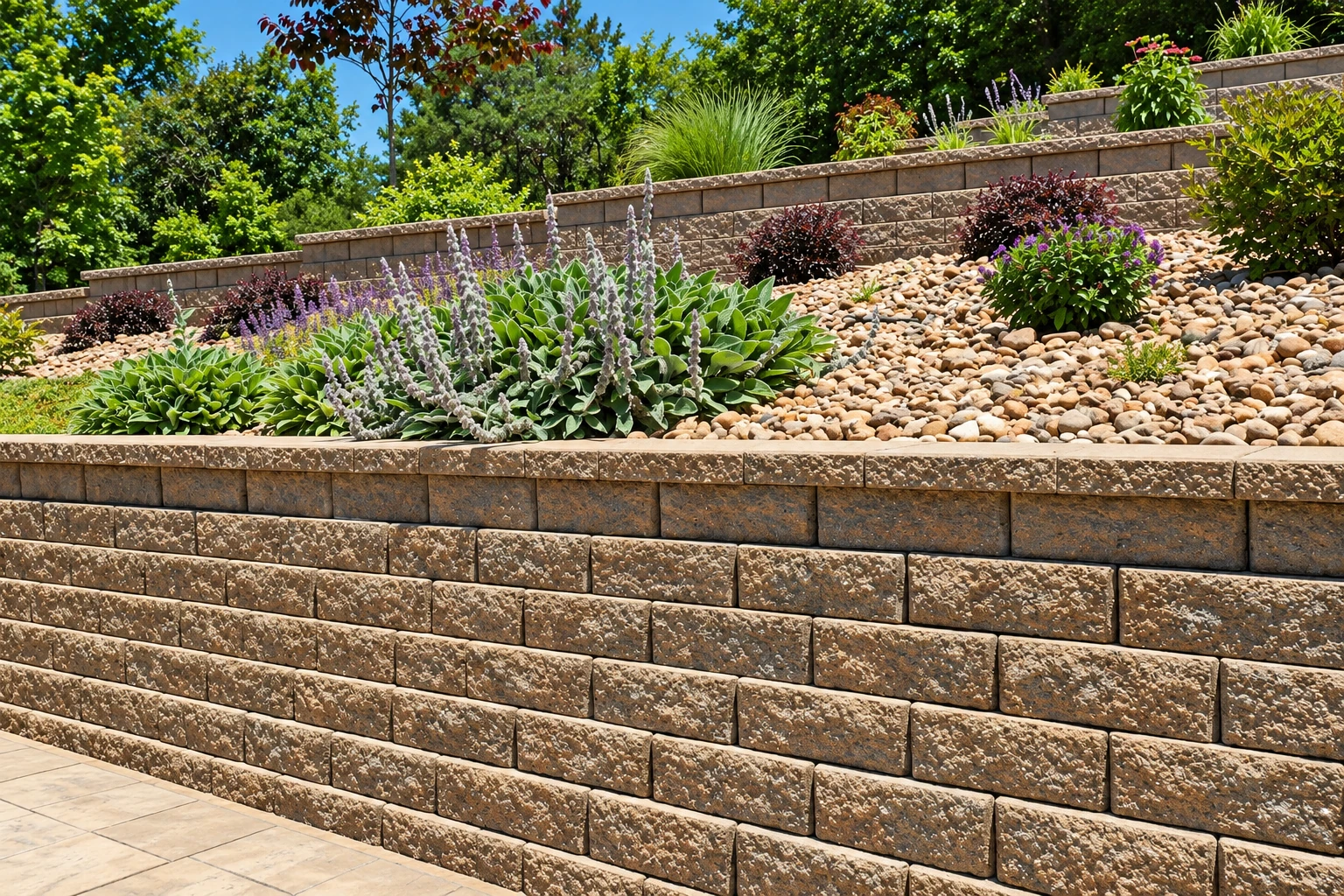
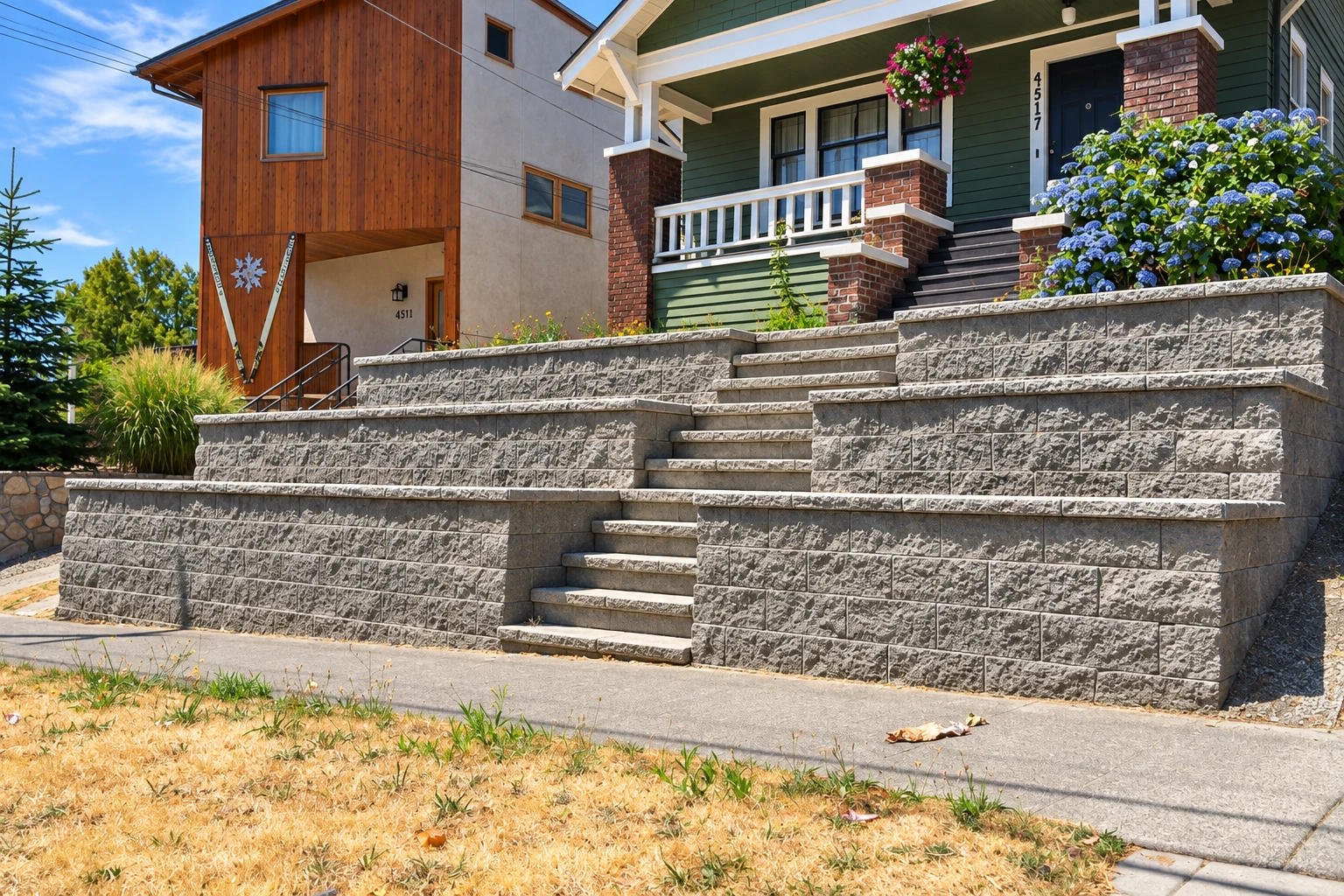
We plan the footing, the drainage behind it and the steel in the block before anyone digs, because water building up behind a wall is what usually pushes it over.
Older brick and stone get cleaned, given fresh joints and repaired with materials that suit their age, since hard modern mortar and harsh cleaning can damage soft old masonry.
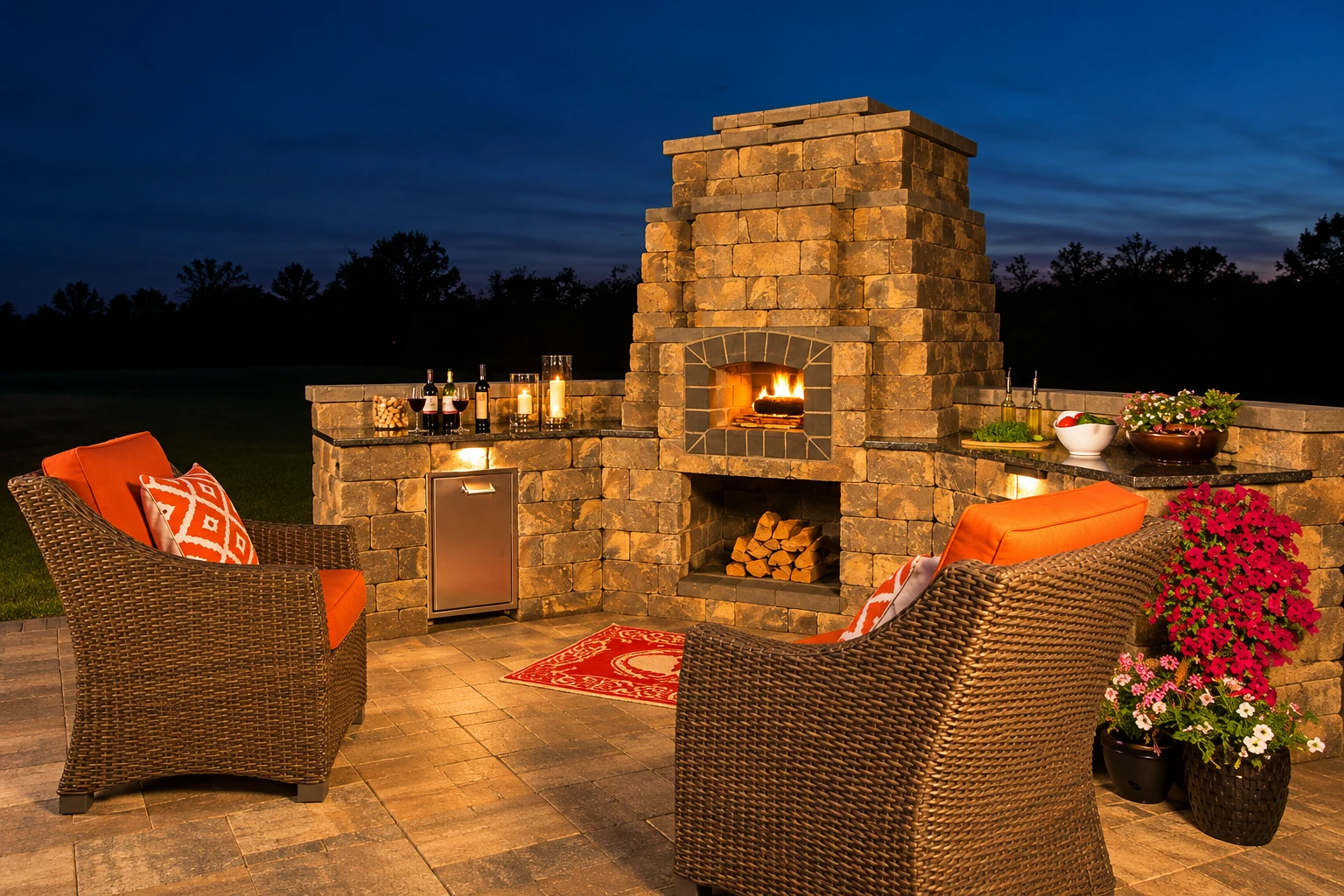
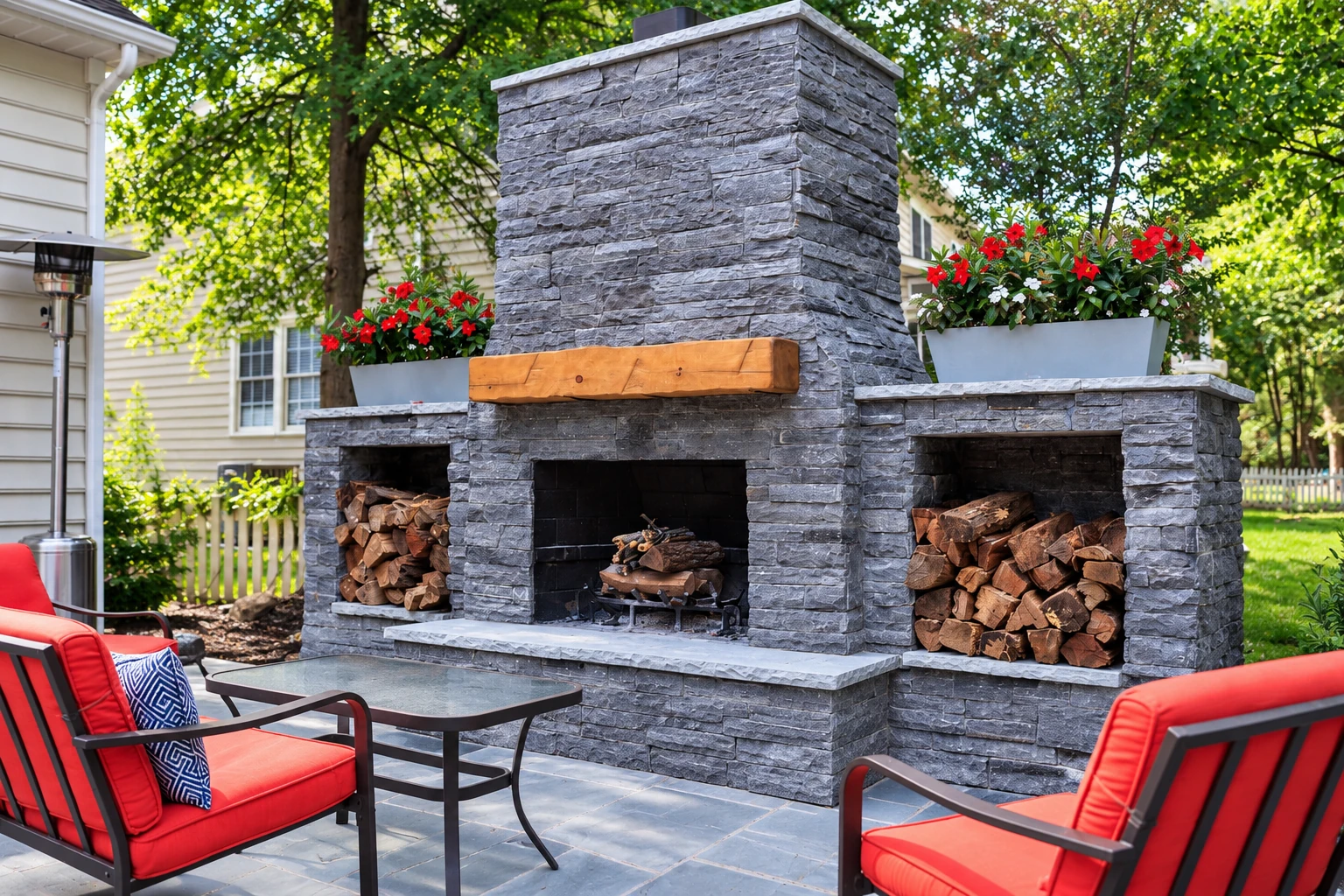
We build brick and stone fireplaces from the firebox, the lined chamber that holds the fire, up through the chimney, and set any insert to its maker's instructions.
Thin stone goes over a backing with a moisture barrier and metal lath, a mesh the mortar grips, because water trapped behind veneer is what usually loosens it.
Block walls for yards and property lines go up on a footing with steel and grout in the cores, the hollow centers of the block, which matters where ground shakes.
We lay block foundation and stem walls, the short walls between footing and house, level and true, since any error there carries into everything built above it.
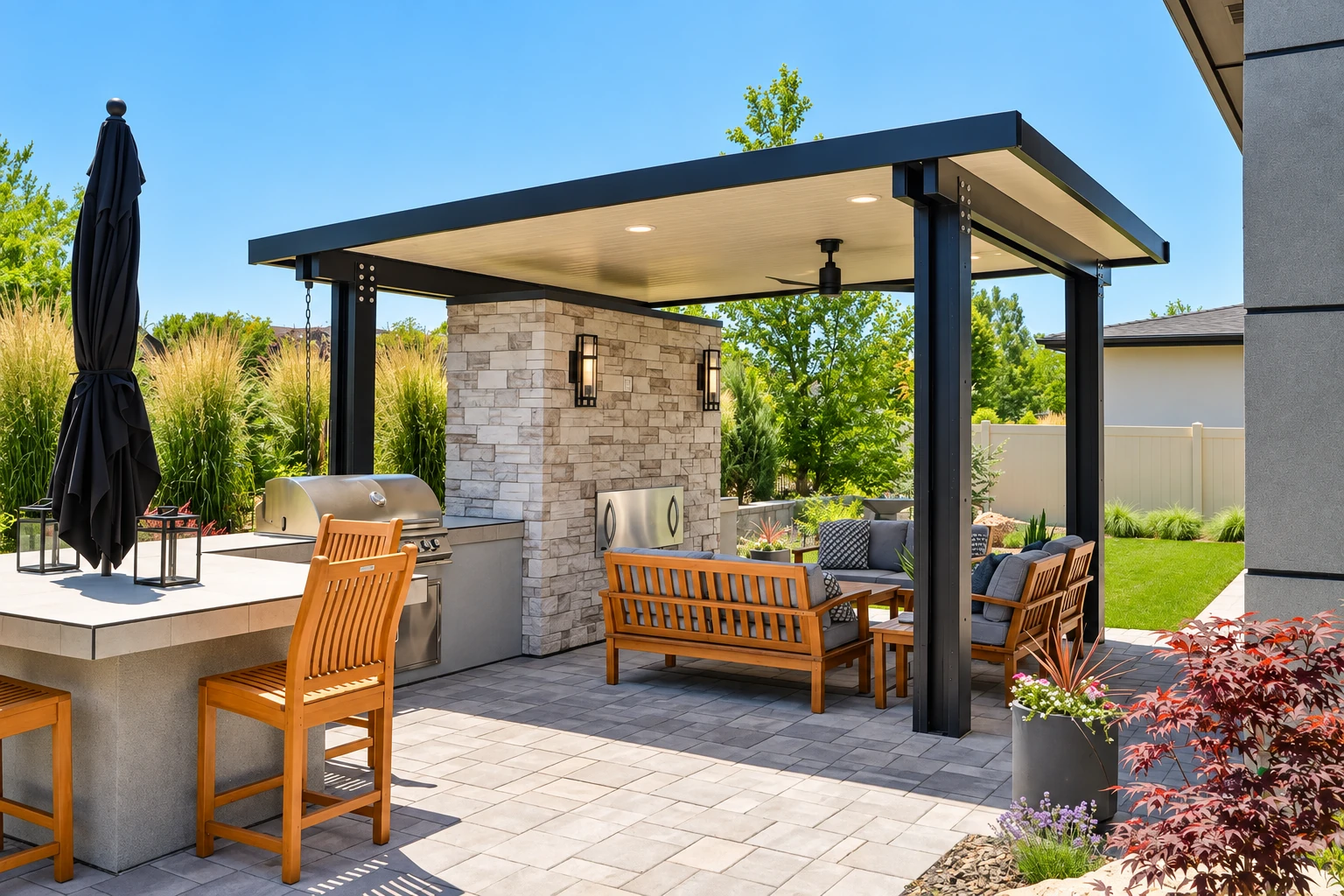
We build the block frame and brick or stone facing for outdoor kitchens, sized around your grill and appliances, so they fit the openings instead of being forced in later.
Brick, stone, paver or concrete walkways get a packed base and a slight slope to shed water, so they stay even underfoot and don't puddle at the door.
New brick walls, from garden walls to property-line walls, get the footing and reinforcement planned first, and I'll help you pick a brick that suits the house.
Natural stone walls, steps and accents get each stone fitted and set by hand, and we'll show you samples first, since stone varies a lot in color and size.
When only the surface of the mortar joints has worn, we rake and refill them before water gets behind the face and the job turns into replacing brick.
Send the form and we'll reply within one business day to set a time to come out. The estimate is free, done on site and comes with no obligation.
I come out and look at the job myself, because the cause of a crack or the ground under a planned wall usually only shows up when you're standing in front of it.
Your written estimate spells out the work and the materials, so you can go through it line by line and ask about anything that isn't clear before you decide.
I'd rather spend extra time going over your choices than have you sign off on work you don't follow, so ask about anything, even a second time.
Here are the questions that usually come up before a wall, repair or paver job in Colton, answered from the city's and the state's rules.
Yes, Colton's building permit list says all fences and walls need a permit from the city's Building & Safety Division, and so do all retaining walls, whether new or being torn down. Setbacks and height are a question for the city's Planning Division. Before we start, we check what your job needs and handle the permit paperwork and inspections.
Colton's permit list doesn't name paver driveways or walkways, and the city notes the list isn't complete, so don't assume either way. Building & Safety takes questions about a specific project at (909) 370-5079. We check with the city before any job starts, so you'll know before we dig.
Yes, the city requires a City of Colton Business License for anyone doing work inside city limits, even gardening or housekeeping help at a home. It matters for your permit too, because the city gives a building permit final approval only after it has the list of contractors on the job and each one holds a city license, so ask anyone you're considering, us included.
A California contractor can ask for or accept a down payment of no more than $1,000 or 10 percent of the total contract price, whichever is less. After that, every payment on a home improvement job has to be listed in the contract and tied to work completed or materials delivered. Those rules come from California's Contractors State License Board, which licenses and regulates contractors.
These are the cities with their own page on our site, and we work in others around Yucaipa too, so if yours isn't listed, call or send the form and ask.
We're open seven days a week, 7 AM to 10 PM, so call (909) 768-8021 or send the form when it suits you.