A front walk to your door
It's the walk everyone uses, so we lay it out wide enough to feel comfortable and pick a paver or finish that suits the front of your house.
Pavers drifting apart, or a muddy dirt track to the door? We build a walk on a packed base, held by a solid edge.
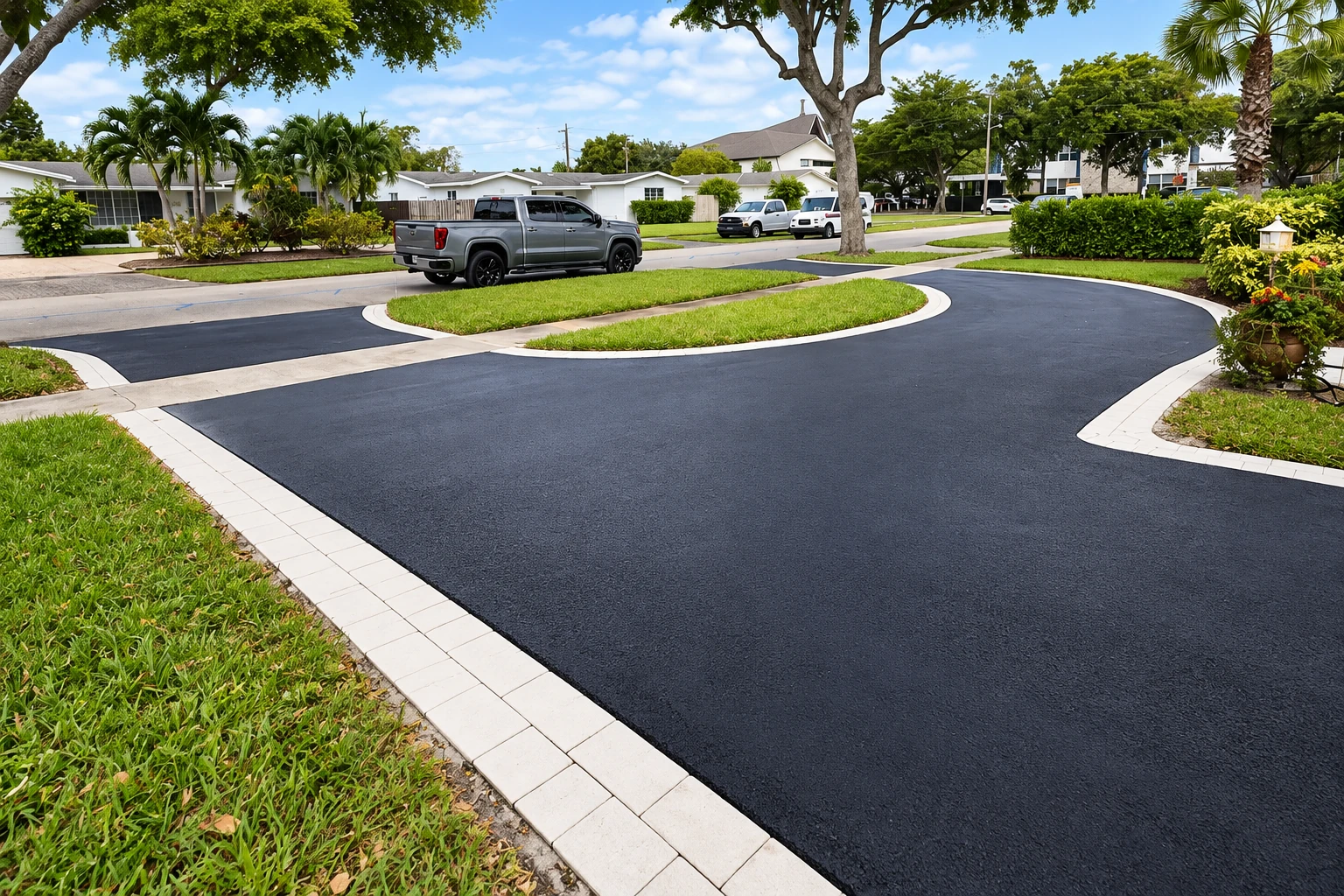
Walkway construction in Yucaipa means building a path for people on foot, from the dig and packed base up to the edging and the surface you walk on, so you end up with a walk that stays together.
Usually the call starts with a dirt path worn across the yard, or an old paver walk where the pieces have drifted apart and the edges have slid into the dirt. What you'll pay depends mostly on how long and wide the walk is, the surface you pick, how much digging and base your ground calls for, and how easy it is to get material back to the spot. The schedule turns on that same dig and base work, plus the weather and, on a concrete walk, the time it needs to cure before you walk on it. When I come out, I measure and look at the ground, and your written estimate spells out the work and the materials so you can see exactly what's included.
I look at where the walk goes, how water moves across that spot and what the ground is like before we dig, so the base and surface fit your lot.
Our crew of masons builds the walk, and I'm on site checking it as it goes, so the base and edge are right before the pavers cover them.
Pavers, concrete and a surface that lets rain soak in each have trade-offs, and I'd rather go over them twice than have you sign off on a walk you don't follow.
Our crew starts by digging out the path and packing the soil underneath, because a soft spot left down there shows up later as a dip in the walk. Then we spread the base rock in layers and pack each one, set a solid edge along both sides so the pavers stay tight, lay a thin, level bed of sand and set the pavers in the pattern you picked. We run a compactor over them and sweep sand into the joints so the pieces lock together. We skip wood edging, because it rots in the ground and the walk starts spreading once it goes. On a concrete walk, we set forms on the packed base, pour, and give the top a broom finish so it isn't slick when it's wet.
A walk often ties into other masonry in the yard. If it runs beside a planting bed or a property line, a low wall from our brick wall installation work can frame it, and steps or borders from our stone masonry work can carry it up a slope or set it off from the lawn.
It's the walk everyone uses, so we lay it out wide enough to feel comfortable and pick a paver or finish that suits the front of your house.
A firm path along the side yard keeps trash bins, mowers and wheelbarrows off soft ground, which matters most where that strip stays shaded and damp after rain.
A paver or stone path lets you reach beds and a patio without packing down the soil or tracking mud inside, and it can curve where a straight line would feel stiff.
When an old walk has sunk, cracked or spread, I find out why first, whether it's the base, the edge or water, so the new one isn't built on the same problem.
Send the form and we'll reply within one business day to set a time for me to come look at your walk. The estimate is free, done on site, and there's no obligation.
I walk the route with you, check the ground and measure, so your estimate is based on your lot and not on a guess over the phone.
You get it in writing, with the work and the materials spelled out, so you can see what you're paying for and compare it with other bids.
We're based in Yucaipa and work across the cities around it, including Redlands, Calimesa and Beaumont. If you're not sure whether we come out to you, just ask.
These photos show paver patterns, concrete finishes and stone borders you can point to when we talk through the walk you have in mind.
Here are plain answers to what people around Yucaipa usually ask before they settle on a walkway surface and a contractor.
An installed 4-inch concrete slab in the Inland Empire, which takes in Yucaipa, usually runs about $10 to $14 per square foot. That's the area's going rate for plain concrete, not our price, and it doesn't cover paver or permeable walks. Your written estimate gives the figure for your walk, and the work is backed by our satisfaction guarantee.
Yes. Drainage guidance counts walkways among the best uses for permeable paving, like pervious concrete or pervious pavers, where water soaks through to a crushed rock base. Whether it fits your yard turns on the soil, how deep the base must be to hold water and the groundwater level, and heavy sediment can mean vacuum sweeping later. I'll walk you through it if you're interested.
A solid edge restraint along the sides holds the pavers tight against each other and keeps them from drifting outward. The flat metal or plastic edging sold for flower beds isn't up to the job, and timber isn't recommended because it warps and eventually rots. That's why we set a solid edge and leave wood out of it.
It depends on foot traffic, soil type, drainage, moisture and climate, and in colder climates, ground that stays wet or weak calls for a thicker base. Guidance for concrete paving says preparing the soil underneath is the cheapest way to handle soil that swells, and that piling on extra base for it costs more and works less well. I size the base after I've seen your ground.
They can. The City of Yucaipa says homes in a High or Very High fire danger zone need fireproof materials for new construction or qualifying renovation. The state's forestry and fire board is also required to set up an ember-resistant Zone 0 covering the first 5 feet around a building, right where many walks run, so tell us your zone when you call.
Yes. California's Contractors State License Board licenses contractors and requires a license for anyone doing or offering to do construction contracting, home improvement included. We're licensed and insured, and you're welcome to ask me about it when I come out to look at your walk.
Send the walk's rough length and the surface you favor, and we'll check with the office covering your address on what it needs.